

Stories, Struggles & Truths
Welcome to the heart of The Men Spirit. This is a space for honest stories, open conversations, and the shared truths of what it means to be a man in the modern world. Here, we move beyond the stereotypes and expectations to explore the real, lived experiences of fatherhood, mental health, relationships, and personal growth.
The stories you’ll find here are raw, real, and written with the firm belief that our vulnerability is our strength. Whether you are navigating a difficult season, seeking a deeper connection with yourself, or simply curious, you are welcome here.
These are more than just articles; they are an invitation to reflect, to feel, and to remember that you are not alone on your path.
Interested in Sharing Your Story?
We believe every man’s story holds value and has the power to help others. If you have a story or perspective you’d like to share with The Men Spirit community, we would be honored to read it. Please reach out to us via our Contact Page with the subject line "Blog Contribution" to learn more.

Redefining Masculinity: A Greek Perspective
Redefining Masculinity: A Greek Perspective
What does it mean to be a man today? For me, the answer lies somewhere between ancient Greek wisdom and the lived experiences of my father — a man who gave everything to his family, yet never learned to care for himself. Through the lens of Greek words like παλληκάρι (pallikari) and λεβέντης (leventis), we uncover a richer, more soulful version of masculinity — one that honours courage, responsibility, tenderness, and self-awareness.
In a world where outdated ideals have left many men emotionally starved and disconnected, it’s time we redefine what strength truly means. The masculine man of the future is self-loving, emotionally intelligent, and rooted in purpose. This is a call to awaken, to mentor, to lead by example — for our sons, our brothers, and for ourselves.
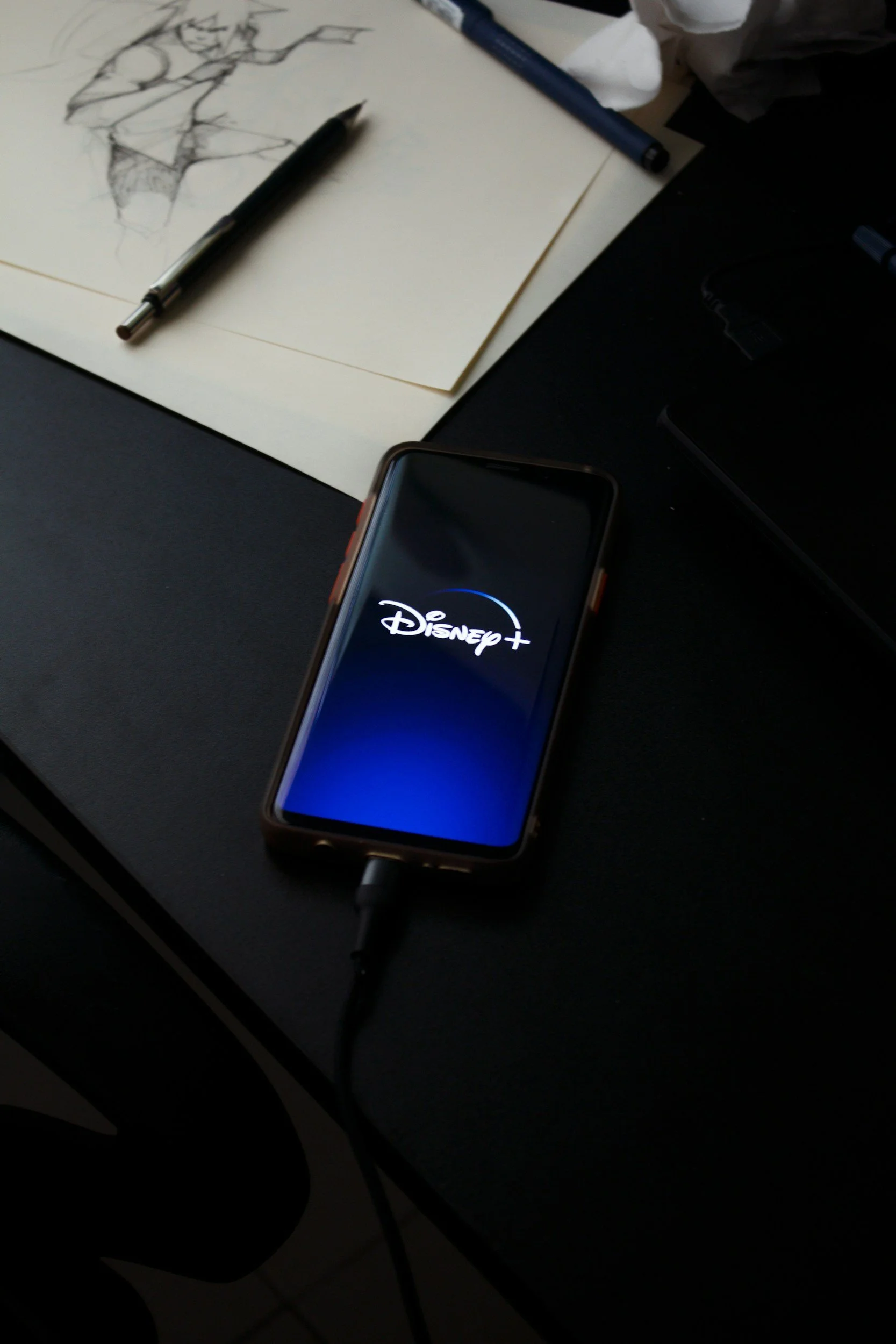
Protection or Punishment? Exploring the Social Media Ban for Under 16s
Protection or Punishment?
The proposed ban on social media for under-16s in Australia sparks a pressing question: are we protecting young people, or are we punishing them?
In a conversation with my 19-year-old daughter, she likened it to taking the car away when someone makes a driving mistake, instead of teaching them how to drive better. Are we isolating kids from a world they’ve grown up in — one that offers not just challenges but also knowledge, connection, and opportunity?
Rather than severing access, perhaps the focus should be on promoting kindness, emotional intelligence, and resilience. Are we equipping young people to navigate the digital world responsibly, or are we leaving them without the tools to thrive?
What do you think? Are we truly supporting the next generation with this decision?
