Understanding Masculinity: From Toxic Patterns to Positive Growth
Beliefs (Rewrite Your Story)
This article is a powerful exploration of the Beliefs that underpin harmful male norms and their direct impact on our Relationships. It deconstructs the unspoken “brotherhood code” that encourages silence in the face of wrongdoing, a core belief that must be rewritten. By examining this pattern, the article calls on men to build relationships grounded in accountability and integrity, rather than complicity. It is a critical resource for any man seeking to align his actions with his values and build a healthier, more honest form of masculinity.
Executive Summary
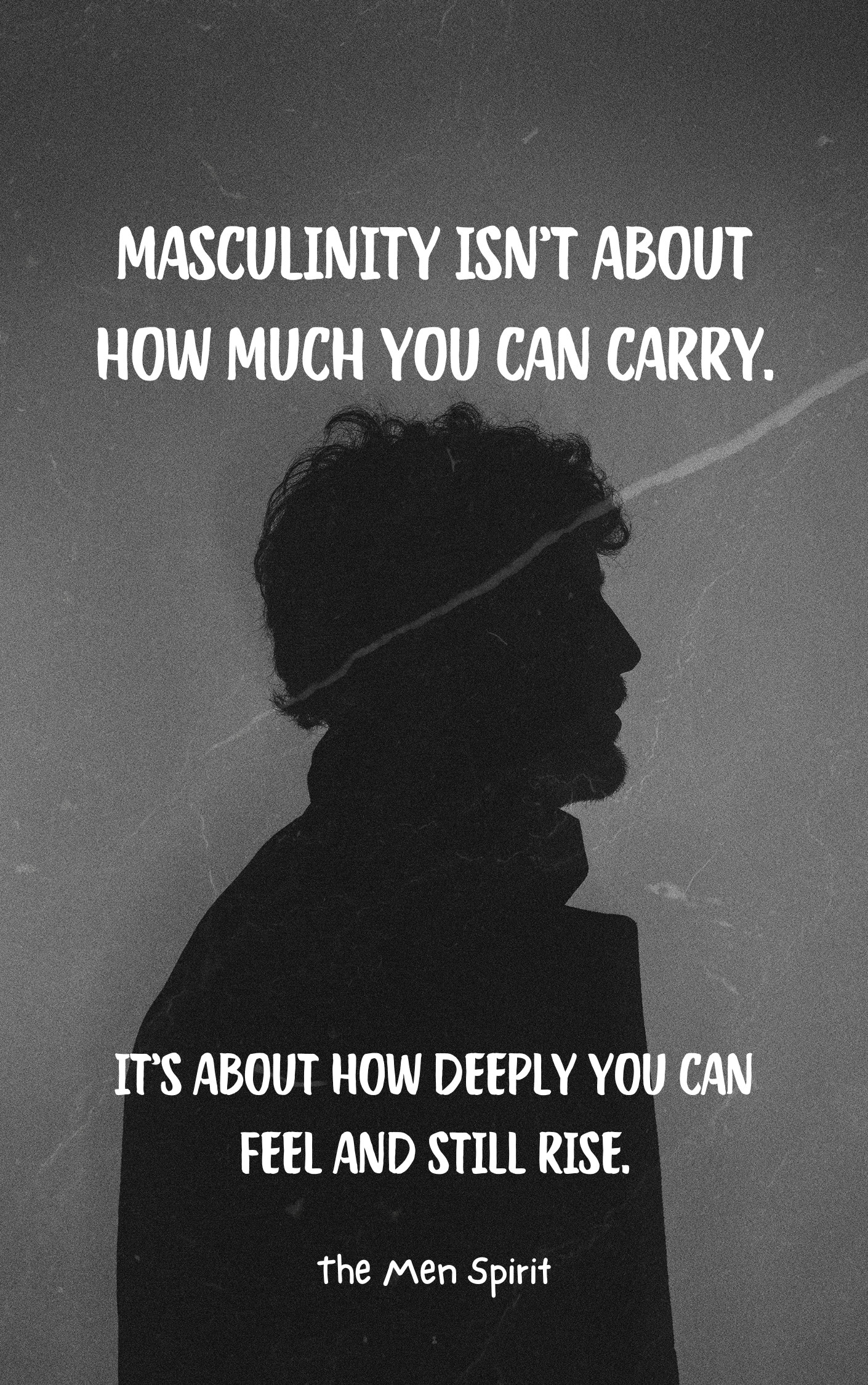
Masculinity is not inherently good or bad, but the way it’s expressed can have a profound impact on our lives and the lives of those around us. This guide offers a clear and balanced exploration of two opposing concepts: toxic masculinity and positive masculinity. Toxic masculinity is defined by harmful societal norms that promote dominance and emotional suppression, leading to isolation and conflict. Positive masculinity, in contrast, celebrates emotional intelligence, empathy, accountability, and authentic connection. This article provides a detailed breakdown of the characteristics of each, offering men a practical framework for self-reflection and a roadmap for cultivating a healthier, more fulfilling expression of their masculine identity.
Key Takeaways
Masculinity is a Spectrum: It is not a fixed set of rules, but a collection of traits and behaviors that can be either harmful or healthy.
Toxic Masculinity is a Social Script, Not an Identity: It is a set of learned behaviors that can be unlearned. It is not who you are.
Positive Masculinity is About Integration, Not Rejection: It encourages embracing a full range of human qualities, including empathy, vulnerability, and emotional expression, alongside traditional strengths.
Accountability is a Cornerstone of Positive Masculinity: Taking responsibility for one’s actions and their impact is a sign of strength, not weakness.
Self-Reflection is the First Step: Understanding these concepts allows you to consciously choose which version of masculinity you want to embody.
Introduction: Redefining Strength
Masculinity is a complex and multifaceted concept, shaped by cultural, societal, and individual influences. At its core, it is not inherently good or bad. However, the way its associated traits manifest can have a profound impact on individuals and society. In this context, two terms often arise: toxic masculinity and positive masculinity.
Toxic masculinity refers to a narrow and harmful set of societal norms that pressure men to be dominant, stoic, and aggressive. It’s the invisible rulebook that says “real men don’t cry” and equates vulnerability with weakness. As researcher Dr. Brené Brown has extensively documented, this emotional suppression is a primary driver of shame and fear in men (Brown, 2012).
Positive masculinity, on the other hand, celebrates and encourages a broader, healthier range of behaviors. It emphasizes emotional intelligence, empathy, accountability, and authentic connection. It isn’t about rejecting all traditionally masculine traits, but about integrating them with a full spectrum of human qualities to create a more balanced and resilient man.
This guide is designed to help you understand the difference, recognize these patterns in your own life, and consciously choose a path of positive growth.
The Characteristics of Toxic vs. Positive Masculinity
To make this clear, let’s compare these two opposing frameworks side-by-side.
| Domain | Toxic Masculinity (Constricting) | Positive Masculinity (Expansive) |
|---|---|---|
| Emotional Life | Suppresses emotions; sees vulnerability as weakness. Anger is often the only acceptable emotion. | Expresses a full range of emotions; sees vulnerability as courage and a path to connection. |
| Relationships | Seeks dominance and control; views relationships as a competition or a hierarchy. | Seeks partnership and collaboration; views relationships as a source of mutual support and growth. |
| Communication | Avoids deep conversation; uses sarcasm, aggression, or silence to maintain control. | Engages in open, honest communication; listens with empathy and speaks with authenticity. |
| Strength | Defines strength as physical power, invulnerability, and the ability to endure pain silently. | Defines strength as emotional resilience, the courage to be vulnerable, and the integrity to be accountable. |
| Accountability | Blames others for problems; resists feedback and avoids taking responsibility for mistakes. | Takes ownership of actions and their impact; views mistakes as opportunities for learning and growth. |
The Societal Impact of Toxic Masculinity
Toxic masculinity doesn’t just harm the individual; it perpetuates negative cycles in our communities. It is a significant contributing factor to major societal issues, including:
•Gender Inequality: It upholds systems that devalue women and marginalized groups.
•Violence: It normalizes aggression as a legitimate way to resolve conflict, contributing to everything from domestic violence to bullying.
•Mental Health Crisis: It discourages men from seeking help for mental health challenges, leading to higher rates of addiction, depression, and suicide (Beyond Blue, 2020).
How to Foster Positive Masculinity: A Call to Action
Positive change begins with self-awareness and intentional action. Every man has a responsibility—to himself, to his community, and to the next generation—to embody and promote a healthier form of masculinity.
1.Practice Self-Reflection and Accountability. Take an honest look at your own behaviors and attitudes. Where have toxic norms influenced you? Own your mistakes, apologize when necessary, and commit to growth.
2.Challenge Unhealthy Behaviors. Hold yourself and other men accountable. When you see harmful behaviors—sexist remarks, aggression, emotional shutdown—address them constructively. Your voice gives other men permission to do the same.
3.Embrace Vulnerability. Vulnerability is not weakness; it is the birthplace of connection and courage. By sharing your emotions, seeking help, and being open about your struggles, you not only improve your own well-being but also inspire others to do the same.
4.Educate and Advocate. Foster discussions about healthy masculinity in your circles. Advocate for changes in schools, workplaces, and communities that promote emotional intelligence and gender equality.
Conclusion: Redefining What It Means to Be a Man
As men, we have a shared responsibility to rewrite the narrative of masculinity. It starts with us—acknowledging where we are, challenging outdated norms, and supporting one another in the journey toward positive growth. By choosing positive masculinity, we don’t lose our strength; we expand it. We create a culture that values emotional well-being, fosters equality, and empowers future generations to live with authenticity and integrity.
References
Beyond Blue. (2020). The state of men’s health in Australia. Retrieved from National Study of Mental Health and Wellbeing, 2020-2022 | Australian Bureau of Statistics
Brown, B. (2012 ). Daring greatly: How the courage to be vulnerable transforms the way we live, love, parent, and lead. Gotham Books.